How and When to Winterize Your Irrigation System in Lake Norman & Charlotte, NC
As the leaves begin to change and cooler temperatures arrive in Mooresville, Lake Norman, and the greater Charlotte area, homeowners start preparing their properties for winter. While many people focus on outdoor furniture, landscaping, and seasonal maintenance, one important task is often overlooked: winterizing your irrigation system.
Although North Carolina winters are generally milder than those in colder parts of the country, freezing temperatures can still damage irrigation pipes, sprinkler heads, valves, and backflow preventers. Water left inside these components can freeze, expand, and cause costly repairs when spring arrives.
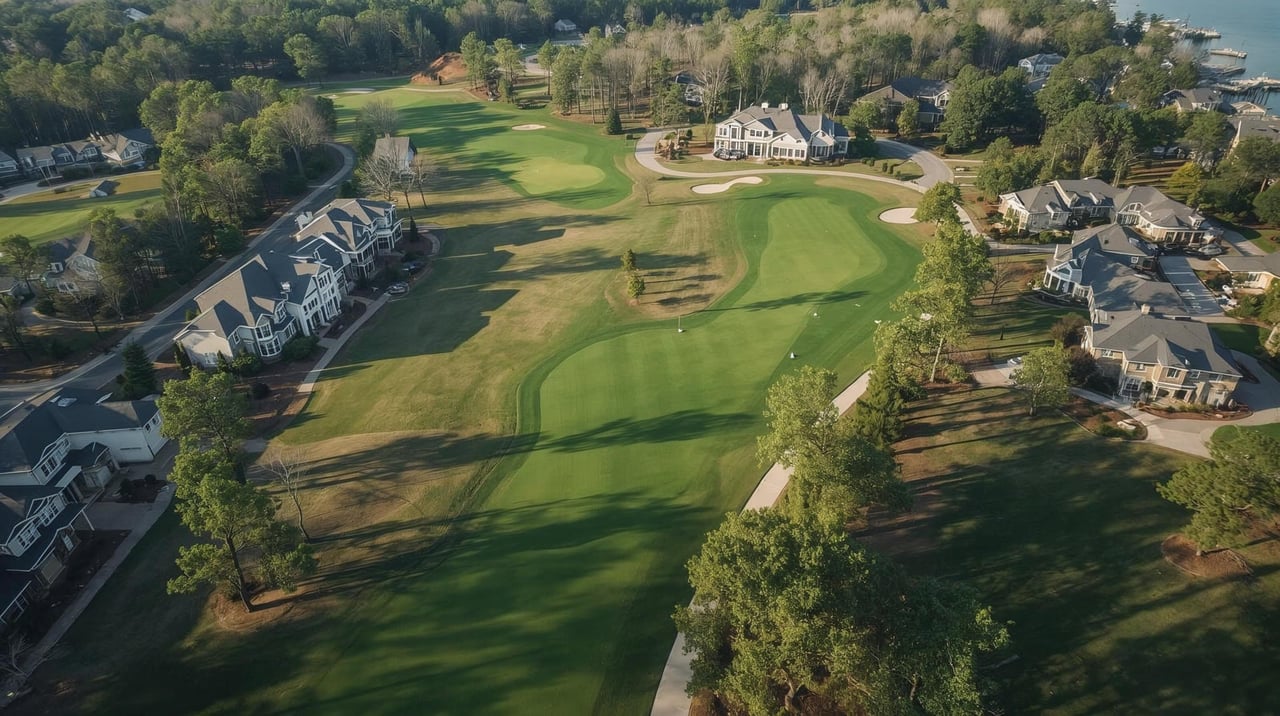
At Carolina Estate Properties, we believe maintaining a beautiful home means taking care of every detail — inside and out. Whether you own a lakefront estate, a golf course property, or a home with a beautifully landscaped yard, proper irrigation maintenance helps protect your investment and keep your outdoor spaces looking their best.
Let's explore when to winterize your irrigation system, how the process works, and what homeowners in the Lake Norman and Charlotte area should know.
1. When Should You Winterize Your Irrigation System?
In the Lake Norman and Charlotte region, late fall is generally the best time to winterize your irrigation system, typically between late October and early December.
The exact timing depends on the weather, but it is important to complete the process before a prolonged freeze is expected. Waiting until temperatures have already dropped below freezing can increase the risk of damage.
👉 Best time: Late October through early December
✨ Important tip: Schedule winterization before the first significant freeze, especially if your system has exposed pipes or a backflow preventer.
Because North Carolina weather can change quickly, it is better to prepare early rather than wait for the coldest night of the season.
2. Why Is Irrigation Winterization Important?
Your irrigation system contains water in underground pipes, sprinkler heads, valves, and other components. When temperatures fall below freezing, that water can turn to ice and expand, potentially cracking or damaging the system.
Even a small amount of trapped water can cause problems, particularly in above-ground components such as backflow preventers and exposed pipes.
👉 Best for: Preventing freeze damage and costly spring repairs
✨ Why it matters: Proper winterization protects your irrigation investment and helps ensure a smoother spring startup.
A professional irrigation winterization typically removes as much remaining water as possible from the system to reduce the risk of freezing damage.
3. Turn Off Your Irrigation Controller
One of the first steps in preparing your irrigation system is turning off the automatic controller or timer.
This prevents the system from running unnecessarily during the winter months and helps avoid watering when temperatures are too cold. Depending on your controller, you may be able to use an OFF, RAIN, or seasonal shutdown setting.
👉 Best for: Automatic sprinkler systems and irrigation timers
✨ Tip: Keep your programming settings saved so the system can be restarted easily in the spring.
If your system has additional equipment, such as a pump or specialized controller, follow the manufacturer's recommendations for seasonal shutdown.
4. Shut Off the Irrigation Water Supply
Once the controller is turned off, the next step is to shut off the water supply to the irrigation system.
The shutoff valve may be located near your water meter, in a valve box, or near the backflow prevention assembly. The exact location will depend on how your system was installed.
👉 Best for: Preventing additional water from entering the irrigation lines
✨ Important tip: Make sure you know which valve controls your irrigation system before shutting anything off.
If you are unsure where the shutoff valve is located, an irrigation professional can help identify it.
5. Drain the Irrigation System
Turning off the water supply does not necessarily remove all the water from your irrigation pipes. Depending on the system, additional drainage may be required.
There are several methods used to winterize irrigation systems:
- Manual drainage: Opening designated drain valves to release water.
- Automatic drainage: Allowing built-in drain valves to remove water after the supply is shut off.
- Compressed-air blowout: Using an air compressor to push remaining water out through sprinkler heads and irrigation lines.
👉 Best for: Removing trapped water from pipes, valves, and sprinkler components
✨ Why we recommend professional help: Irrigation systems vary, and using too much air pressure can damage pipes, valves, or sprinkler heads.
For most residential systems, a professional blowout is an effective way to remove remaining water and prepare the system for winter.
6. Protect Your Backflow Preventer
The backflow preventer is an important part of your irrigation system. It helps prevent irrigation water from flowing backward into the household drinking-water supply.
Because backflow preventers are often located above ground or in exposed areas, they can be especially vulnerable to freezing temperatures.
Before winter arrives, the assembly should be properly drained according to the manufacturer's instructions. Exposed pipes and components may also require insulation or additional protection.
👉 Best for: Protecting exposed irrigation equipment
✨ Important tip: Simply wrapping a backflow preventer without properly draining it may not prevent freeze damage.
If you are unfamiliar with your backflow assembly, have a qualified irrigation professional handle this step.
7. Inspect Sprinkler Heads and Irrigation Lines
Winterization is also a great opportunity to inspect your irrigation system for existing problems.
Before shutting down the system, look for:
- Broken or clogged sprinkler heads
- Leaking pipes or connections
- Damaged valves
- Uneven water coverage
- Exposed or damaged irrigation lines
👉 Best for: Preventing small problems from becoming expensive repairs
✨ Tip: Addressing repairs before winter can make your spring startup easier and more efficient.
A professional inspection can also identify areas where your system may be wasting water or failing to properly irrigate your landscape.
8. What About Lake Pump and Well Irrigation Systems?
Many properties around Lake Norman use irrigation systems supplied by lake pumps, private wells, or community water systems.
These systems may have different components and winterization requirements than a standard city-water irrigation system. Pumps, filters, pressure regulators, and exposed plumbing may require additional attention.
👉 Best for: Lakefront homes, larger estates, and properties with private irrigation sources
✨ Why it matters: Every irrigation system is different, and the correct winterization process depends on its design and equipment.
If your property uses a lake pump or private well, consult an irrigation professional familiar with that type of system before winterizing.
9. Do You Need to Winterize Every Year?
For homeowners in the Lake Norman and Charlotte area, annual irrigation winterization is a smart preventive maintenance step.
Even if the previous winter was mild, freezing temperatures can still occur. Proper preparation helps protect your system and reduces the chance of unexpected repairs.
👉 Best for: Protecting your long-term landscaping investment
✨ Tip: Schedule winterization each fall and keep a record of any repairs or maintenance completed.
A little preparation before winter can help ensure your irrigation system is ready to perform when spring landscaping season arrives.
When Should You Turn Your Irrigation System Back On?
Once the threat of freezing temperatures has passed, usually in early spring, you can begin preparing your irrigation system for the growing season.
Before turning it back on, consider scheduling a spring startup inspection to:
- Slowly restore the water supply
- Check for leaks or freeze damage
- Test each irrigation zone
- Inspect sprinkler heads
- Reprogram the controller
- Adjust watering schedules for spring conditions
👉 Best for: Preparing your landscape for spring and summer
✨ Tip: Avoid turning your system on too early. A late-season freeze can still damage irrigation components.
A professional spring startup can help identify problems before they affect your lawn, flower beds, and landscaping.
Final Thoughts
Winterizing your irrigation system is one of the simplest ways to protect your property's landscaping investment. While winters in Mooresville, Lake Norman, and Charlotte, NC, may be relatively mild, freezing temperatures can still cause significant damage to irrigation equipment.
By shutting off your system, removing trapped water, protecting exposed components, and scheduling seasonal maintenance, you can help keep your irrigation system working efficiently for years to come.
Whether you own a waterfront estate, a golf course home, or a property with an expansive lawn and garden, proper irrigation care is an important part of maintaining a beautiful home.
Ready to Explore Lake Norman Living?
At Carolina Estate Properties, we believe finding the right home is about more than square footage — it's about discovering a lifestyle that fits your goals and vision for the future.
From expansive lawns and private gardens to lakefront properties and outdoor entertaining spaces, the Lake Norman and greater Charlotte area offer exceptional opportunities to enjoy life at home.
If you're considering a move to Mooresville, Lake Norman, or the surrounding communities, we'd love to help you discover the properties and neighborhoods that align with your lifestyle. Whether you're searching for a luxury waterfront estate, a golf course property, or a home with room to create your dream outdoor space, our team is here to guide you every step of the way.
Reach out to Carolina Estate Properties today, and let's find a home that fits not only your needs — but the lifestyle you're excited to live.