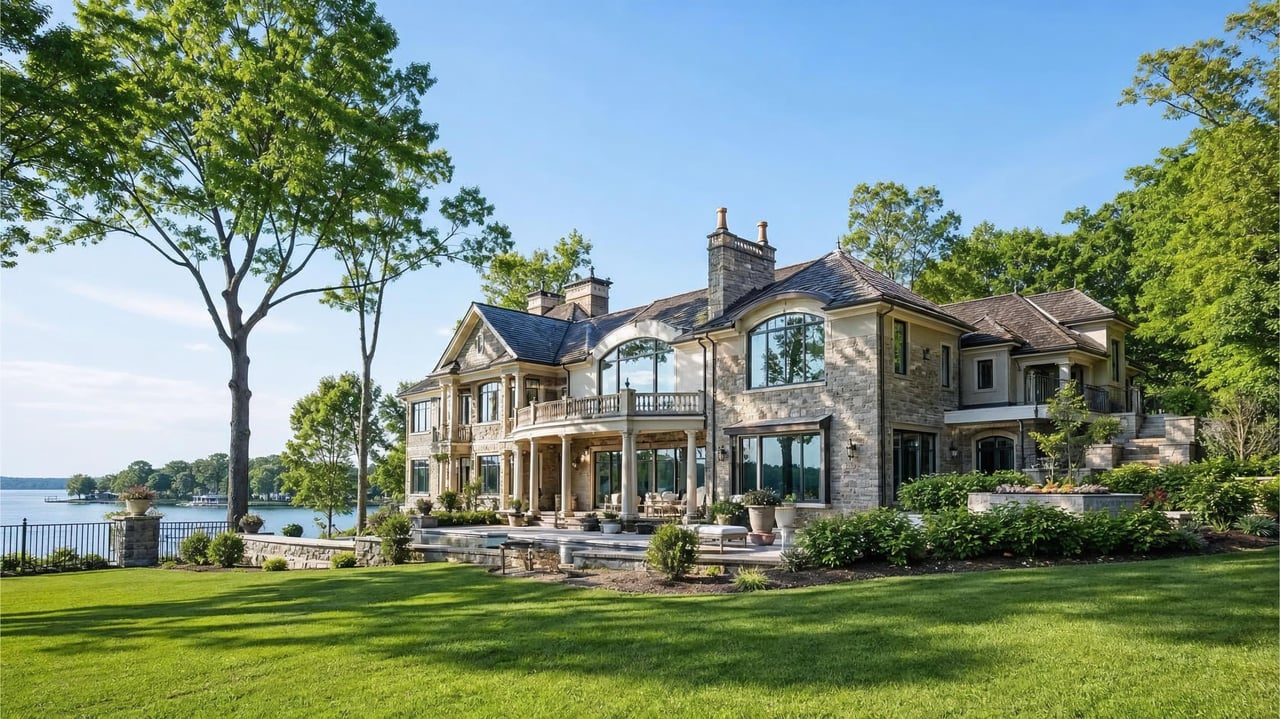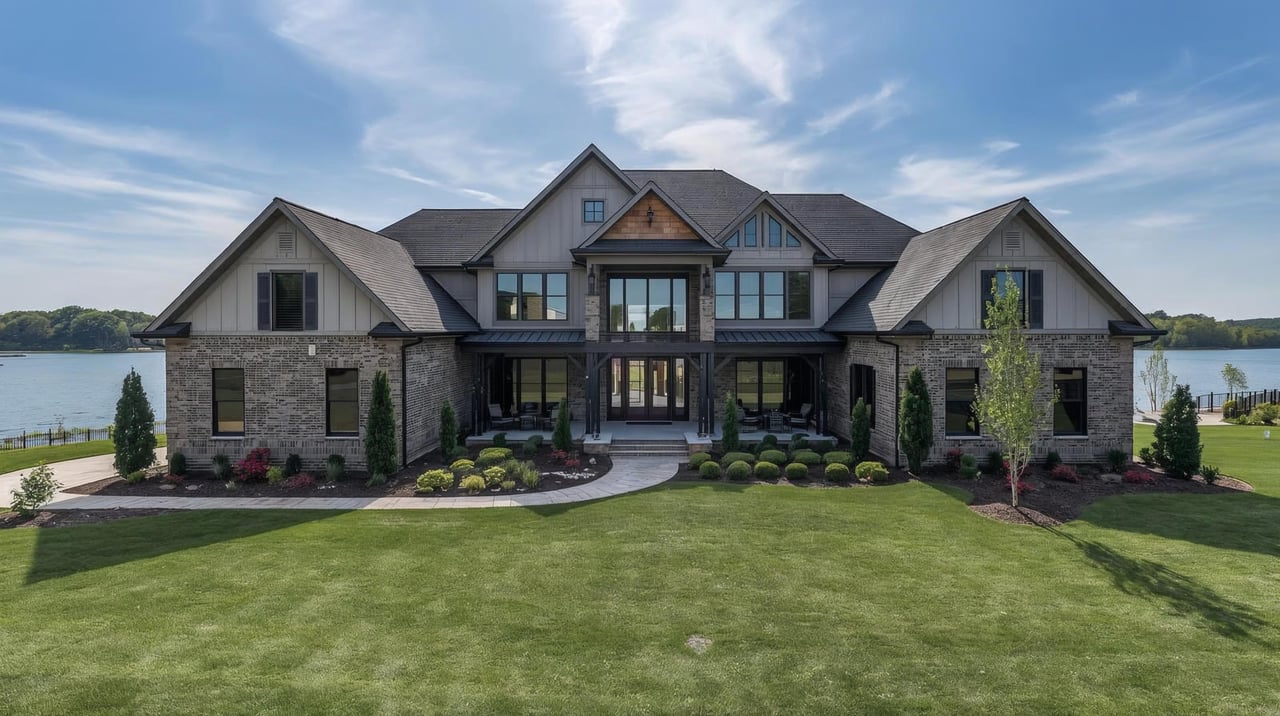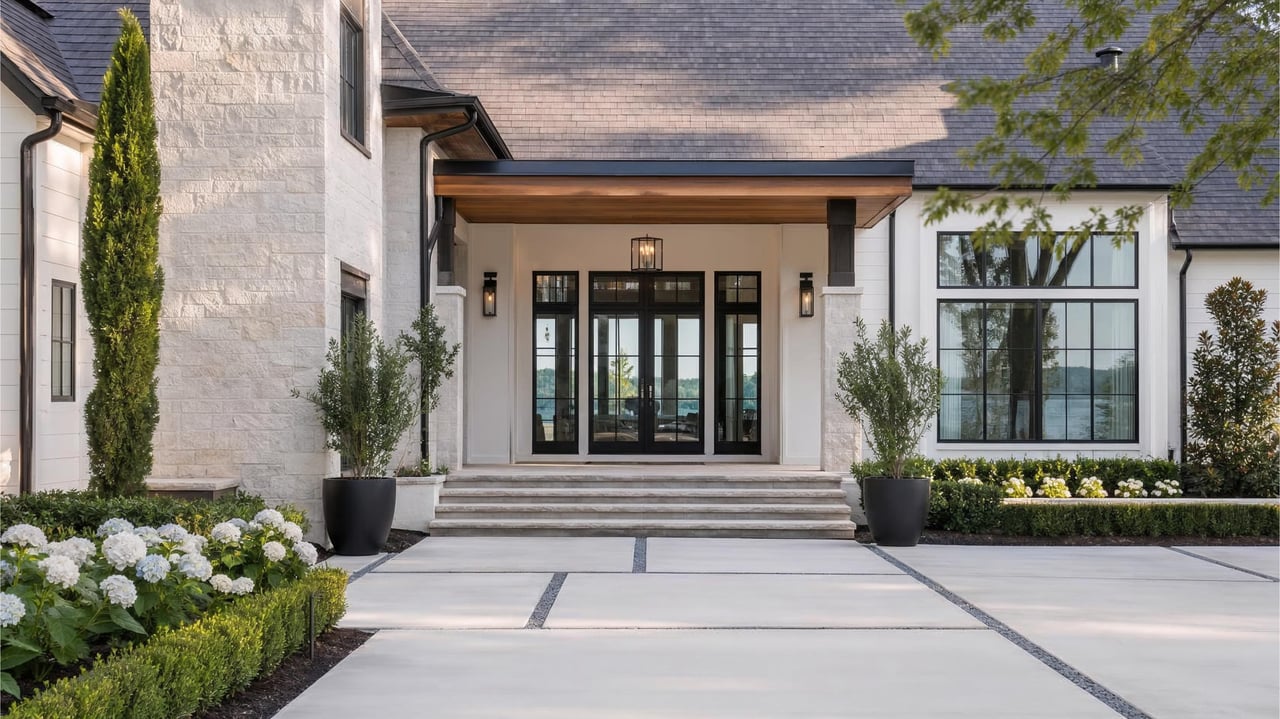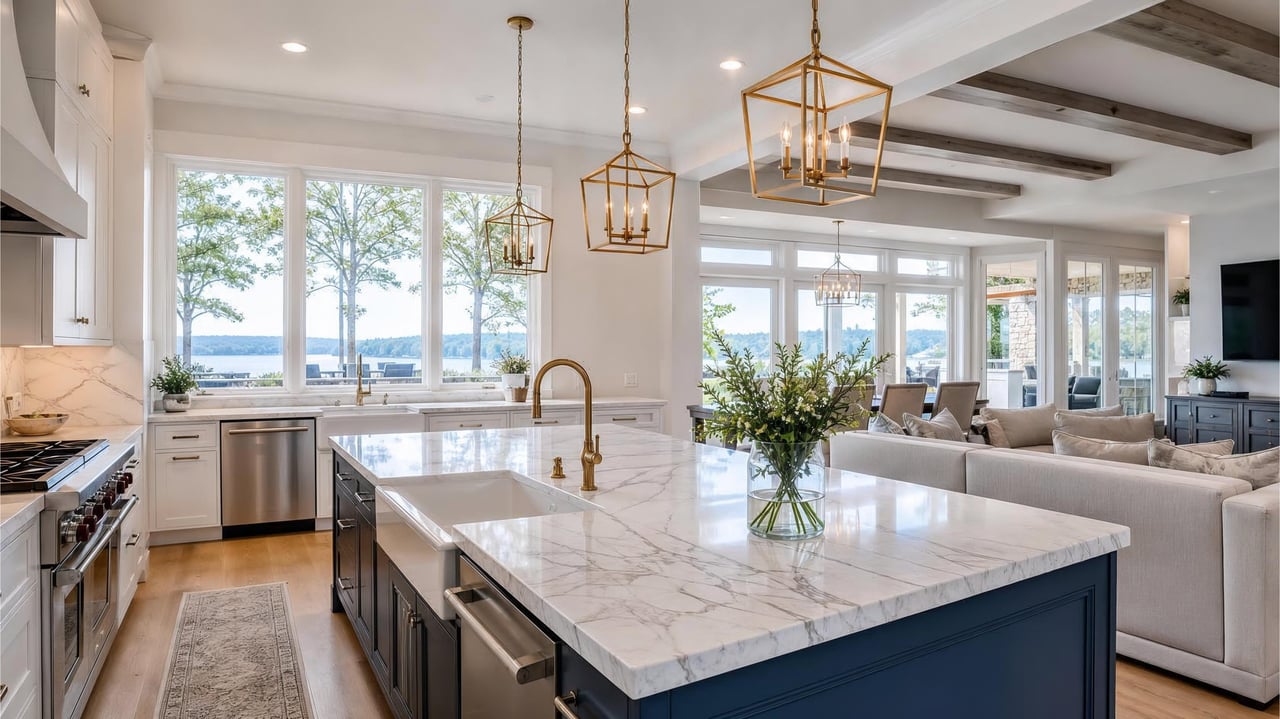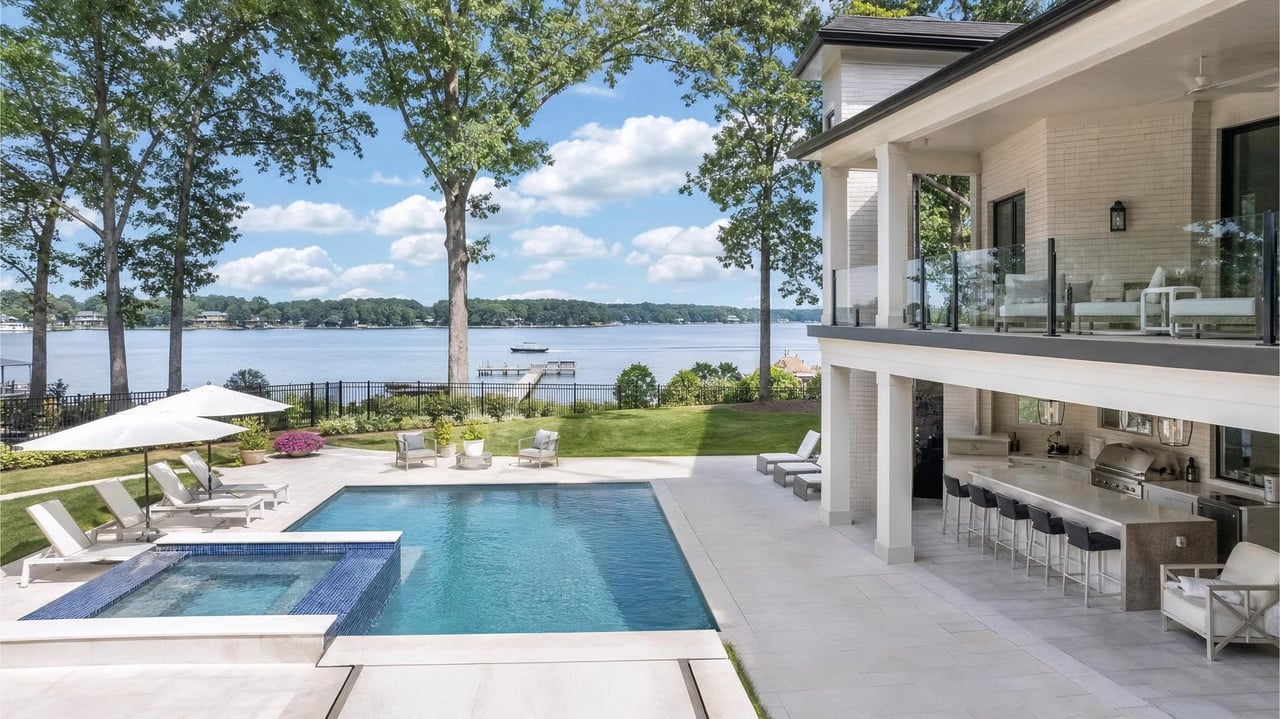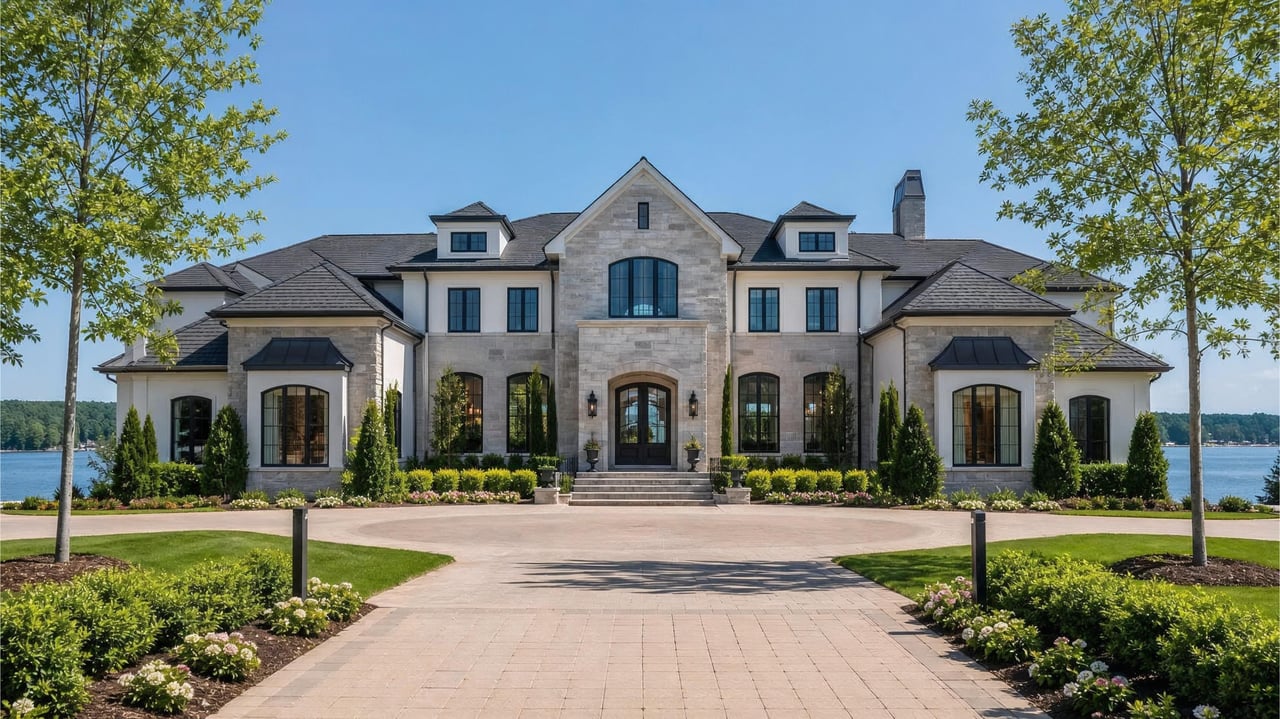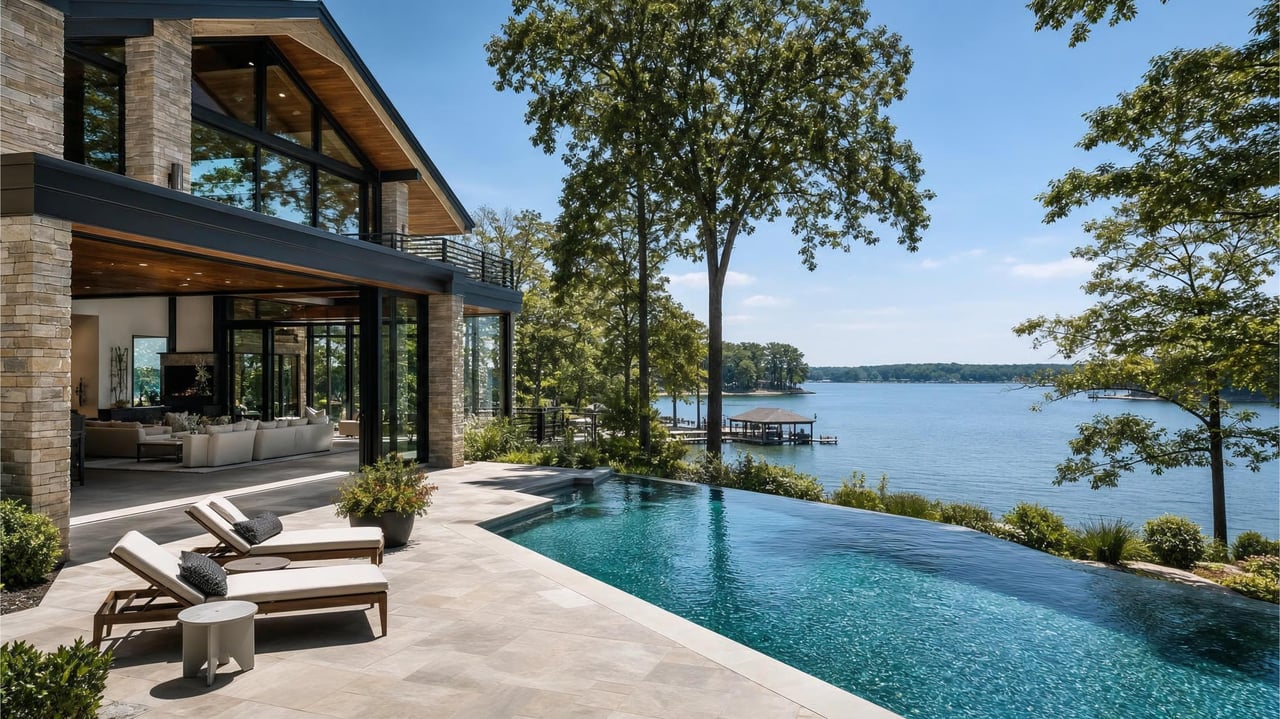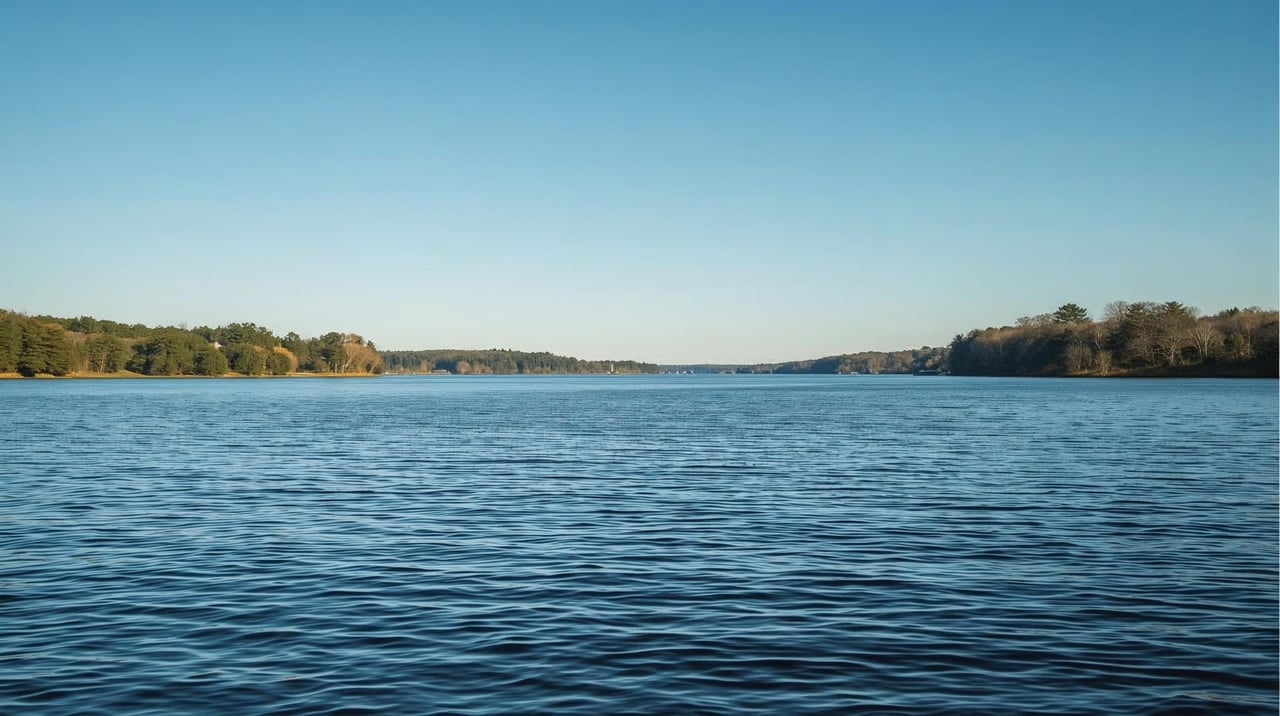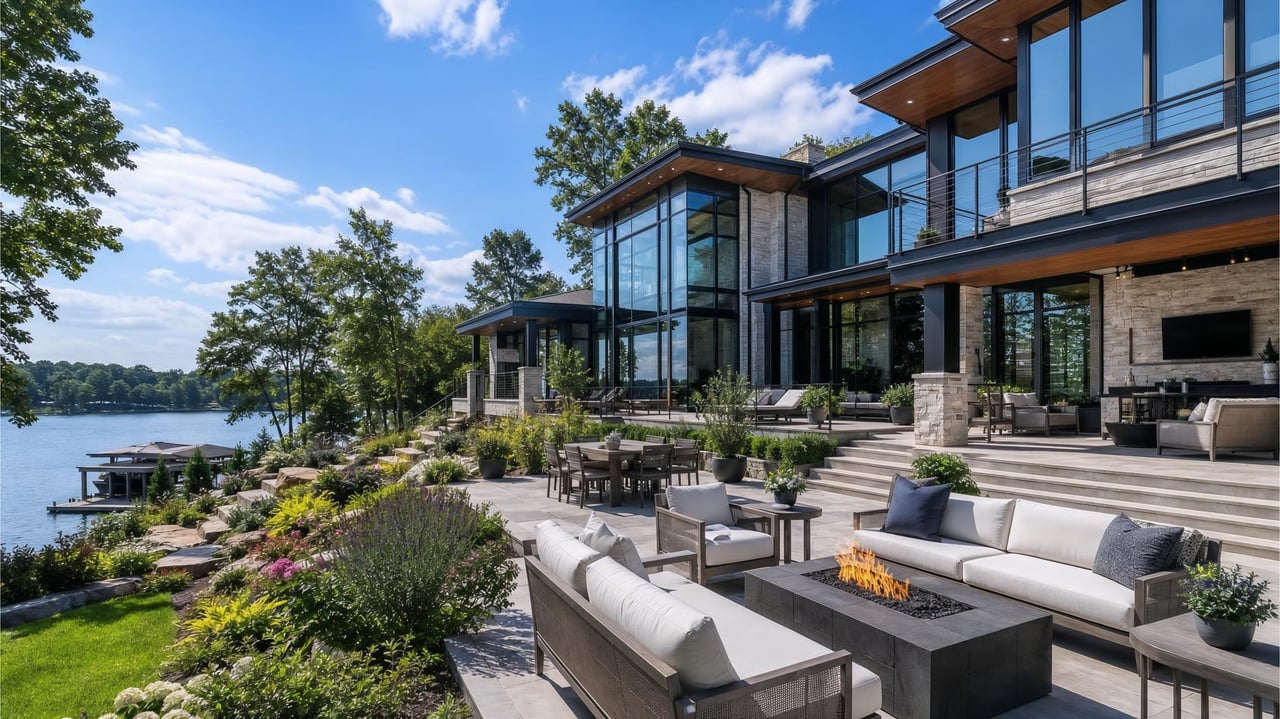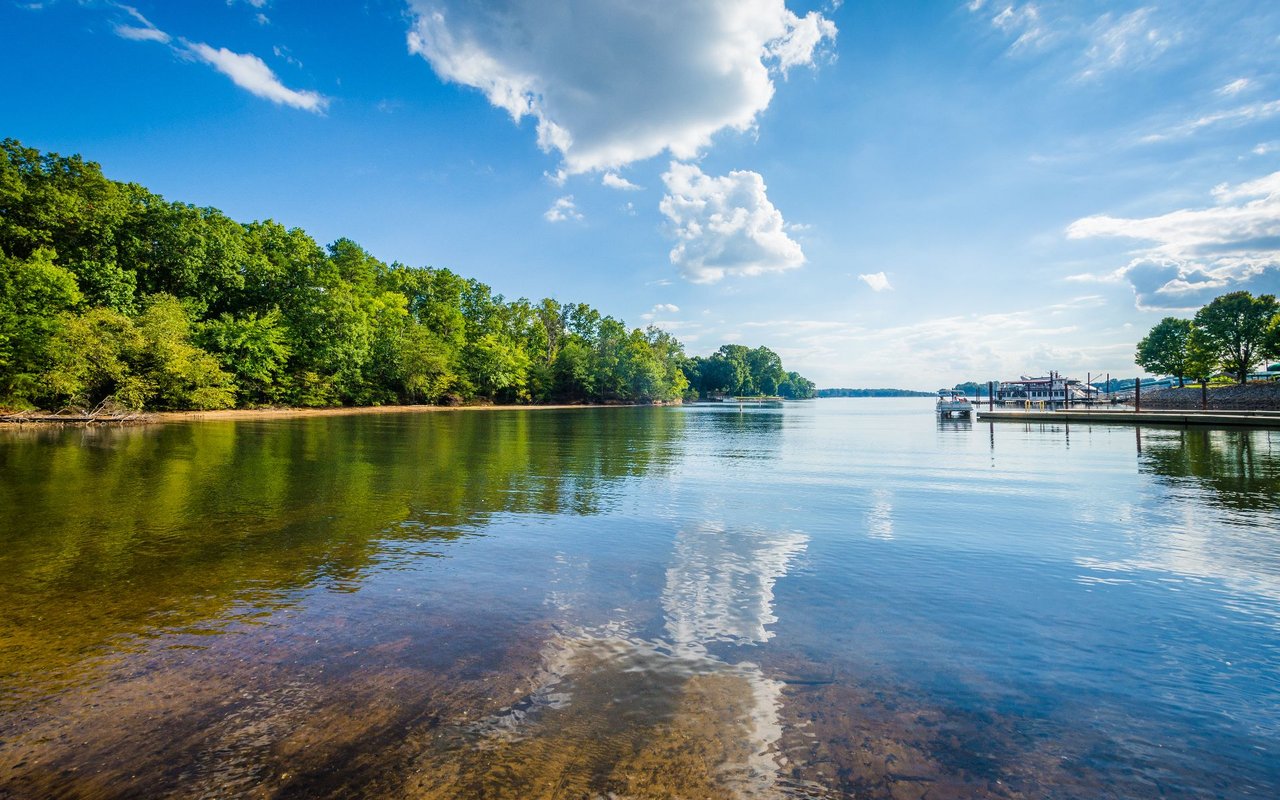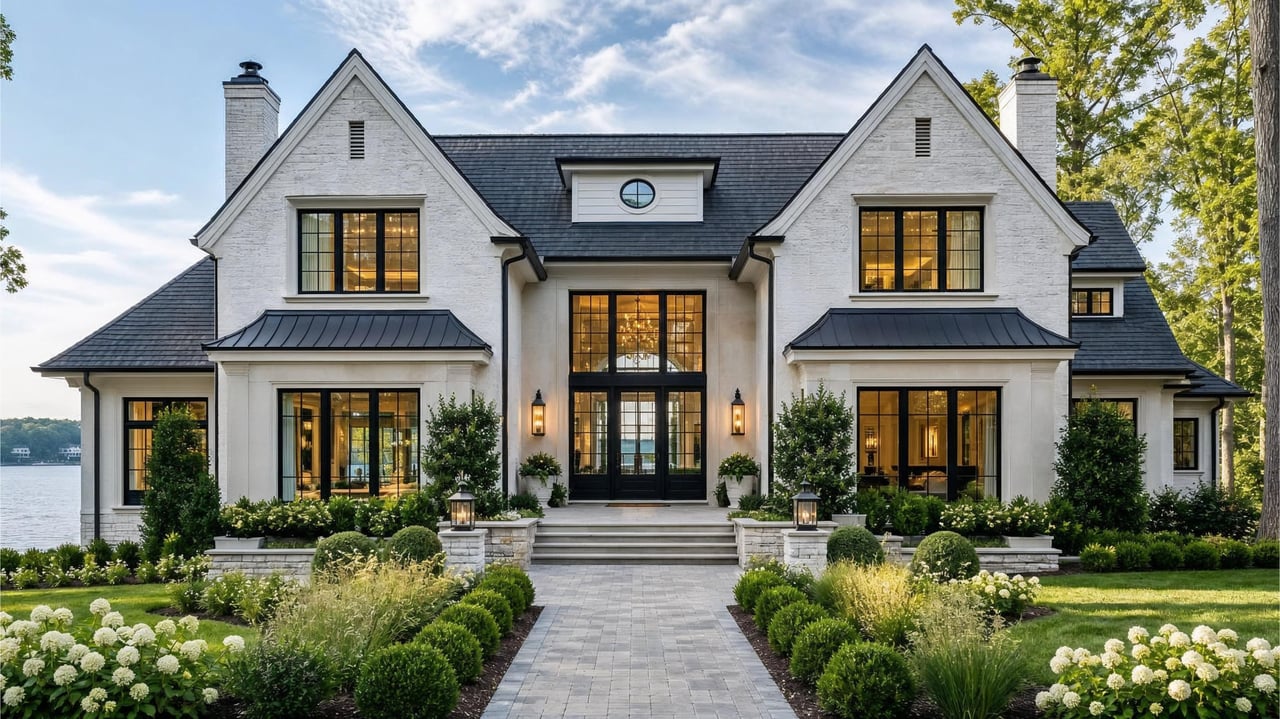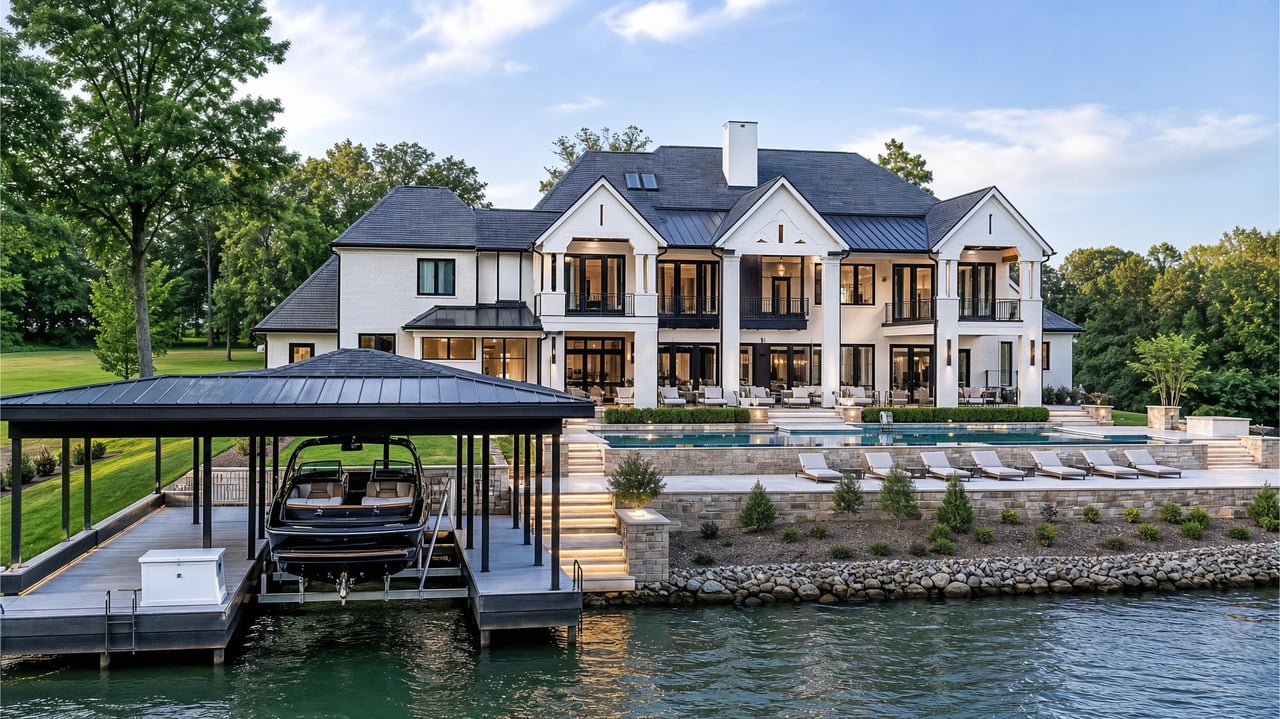
On May 22, 2026, Lake Norman reached 94.3 feet, its lowest reading of the year. How much water was at the end of a given Cornelius dock that day? For anyone touring waterfront homes this November, that question is more useful than anything the lake shows on the day of a showing. In most years, a buyer sees a dock at one water level and guesses the rest. This year the lake ran low for months, and every shoreline property went through a test on the record.
Before the water, though, comes the paperwork. That is where waterfront transactions on Lake Norman tend to catch people off guard.
The dock file belongs to the seller until it doesn't
A private dock on Lake Norman sits on water managed by Duke Energy, and Duke issues the permits for it. Duke only gives permitting history to the current adjoining owner, and only when the permit is already in that owner's name. If a past owner never transferred the permit, the current owner has to complete that transfer before Duke will release the history. A buyer can't simply request the file. The seller has to get it.
Duke's fee schedule, effective January 15, 2025, lists a $500 application fee for transferring an existing facility, the same fee as a new or maintained private facility. According to Duke's permit FAQs, Duke may inspect an existing structure during a transfer and require that unapproved modifications be corrected. Duke's fee schedule also says an after-the-fact application for an unauthorized structure costs twice the current permit fee.
This matters more in a drought year. A low lake makes it tempting to extend a walkway, add a lift or regrade a bank, and owners who did any of that in 2026 may have changes on the water that never went into the permit file. The transfer inspection is where that gap shows up. For a seller, getting the permit history before listing means any surprise turns up while there is still time to address it. For a buyer, the transfer is part of closing, and the house is only part of what is being bought.
The level on tour day is one point on a range
With the file in hand, the next question is depth, and 2026 gives unusually good reference points. The Catawba-Wateree basin moved to Stage 2 of the Low Inflow Protocol on May 1, 2026. Under that stage, Lake Norman's allowed minimum elevation drops four feet below its normal minimum. The lake went where the protocol allowed.
Date | Lake Norman level | Reference point |
|---|---|---|
May 22, 2026 | 94.3 ft | Reported low for 2026 |
Week ending May 29, 2026 | 94.98 ft | Below a 95-ft target minimum |
August 5, 2026 | 96.5 ft | Reported target of 98.5 ft |
October 19, 2026 | 97.12 ft | Full pond of 100 ft |
December 28, 2023 | about 97.5 ft | Reported winter target of 96 ft |
Cornelius Today reported on August 6 that the lake had stayed near 95 feet for much of the summer, about three and a half feet under its seasonal target. The October 19 reading on Duke's lake-level feed was 97.12 feet, roughly 2.8 feet above the May low and 2.88 feet below full pond. Duke's main lake-level page has warned that its data may not be updating automatically, so check the live reading on the day of any showing.
The last row of the table is from 2023, but it is the key to reading the rest. In December 2023, Cornelius Today reported Duke's target at 96 feet, so a late-fall reading near 97 feet is close to what winter normally looks like on this lake. In other words, a dock seen this November is showing about the water a buyer could expect most winters. It is not showing its worst case. The worst case already happened in May, around 94 to 95 feet. A dock that kept a boat afloat through that stretch has shown it can be used at the lowest water of a drought year.
Why the fall rain hasn't moved the stage
The obvious assumption is that the drought ended when the rain came back. Around Charlotte, it largely did. The North Carolina Drought Management Advisory Council's assessment for the period ending October 20, 2026 places Charlotte, Salisbury and Statesville at or above normal precipitation over the past six months. Mecklenburg and Iredell counties do not appear on the council's October 20 lists of counties in any drought category.
The lake runs on a different clock. The Low Inflow Protocol tracks storage across the whole Catawba-Wateree system, not rainfall in Cornelius. Minutes from the Lake Norman Marine Commission show Duke reporting on August 20 that the area was still at Stage 2 and that drought restrictions would stay active until the system metrics cleared. Duke's feed still listed Lake Norman at Stage 2 on October 19. This gap between wet local weather and a lake still under drought rules explains why 2026 levels are a reasonable stress test. The low water came from operating rules, it lasted for months, and it is documented.
Shore-side restrictions have lagged the same way. Charlotte Water serves Cornelius, Cornelius Today reported in May. According to the utility's drought page, Mandatory Stage 2 restrictions have been in place since May 15, and its dashboard showed an 8.4% reduction in water use as of October 23. Outdoor watering is limited to assigned days between 6 p.m. and 6 a.m. Home car washing, filling residential pools and running decorative water features are among the prohibited uses. A seller planning listing photography this winter should plan landscaping around those limits and not expect a lawn to recover on its own schedule.
What the low water exposed along the Cornelius shoreline
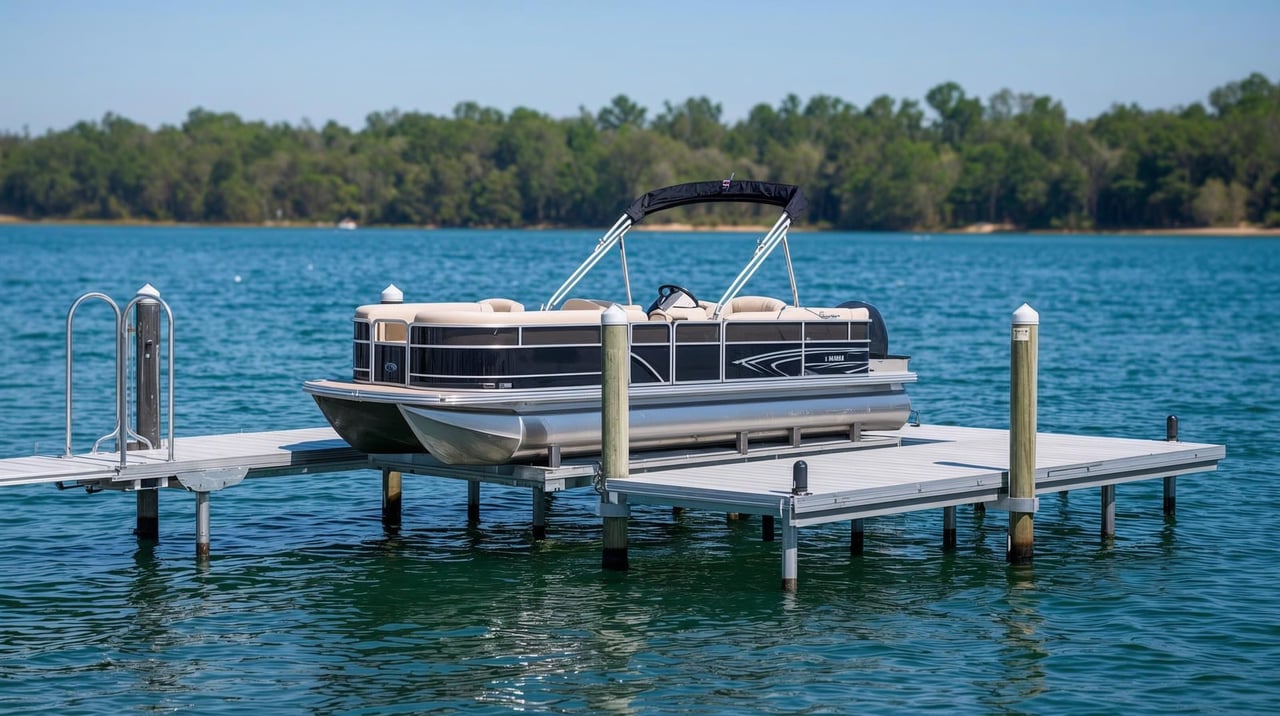
The local businesses that work on the water show what the summer low meant for a typical dock. In a June 10 Cornelius Today report, Alex Kuz of The Boat Doctor, who services boats from the water, said many boats had been sitting on dry land that spring. He estimated a 400% increase in calls to repair trim systems and props damaged in shallow water. The same article reported that Morningstar Marinas Crown Harbor added dry-dock customers as private dock owners looked for a solution for beached boats. Rentals at Safe Harbor Kings Point and Crown Harbor were not affected. Decks and Docks in Cornelius had one customer who gave the lower lake as the main reason to do dock repairs right away.
Out on the open lake, Cornelius Today reported on June 9 that Cornelius Police lake patrol logged 24 calls in early May for boats run aground, especially near islands and shoal markers. In April, WBTV reported that four boat ramps at Blythe Landing had closed as the water receded. The Cool Down reported in July that Ramsey Creek Beach at Ramsey Creek Park did not open for the 2026 season because of low water.
Put together, these reports suggest the dry-dock calls came from properties where low water reached the dock, while other properties kept working. Two homes on the same cove can have different water at the end of the walkway, and this year made that difference visible. A buyer comparing them can ask each seller directly whether the boat stayed in the lift all summer, whether it went to a marina, and whether the props needed repair afterward. Those answers say more about everyday use than the square footage of the dock.
If the dock needs to change
Some buyers will decide a property is right but its dock is not deep enough. Duke treats changes at the water as permitted work, and the process takes several steps:
- Most new or modified structures, shoreline stabilization and dredging likely require a Lake Use Permit, submitted through Duke's Lake Access Permit System, with a site inspection and review against shoreline classifications and the Shoreline Management Plan, according to Duke's permit FAQs.
- Under Duke's Catawba-Wateree Shoreline Management Guidelines, building a dock and excavating an access channel are separate parts of the application.
- The same guidelines say excavation can require local, state and federal consultations, and possibly a draft environmental assessment prepared by the applicant. Any required permits from agencies other than Duke must be in hand before Duke moves the application to its next review stage.
- Duke's Catawba-Wateree Habitat Enhancement Program adds a separate $500 fee for a private pier, shoreline stabilization or private excavation, paid with the application.
With that many approvals involved, a dock improvement belongs in the purchase timeline as its own project. It should not be treated as something to fix after closing.
A few distinct questions
Is a level near 97 feet in November a sign the drought is still hurting the lake? Partly. Duke's lake-level feed still listed the basin at Stage 2 on October 19, 2026. Even so, a winter target of 96 feet was reported locally in 2023, so a level near 97 feet in late fall is close to seasonal norms.
Can a buyer get a dock's permit history from Duke directly? No. Duke releases it to the current adjoining owner when the permit is in that owner's name.
Does local rain end the Stage 2 restrictions? Stage changes follow basin-wide conditions through the Catawba-Wateree Drought Management Advisory Group, so Charlotte-area rainfall alone does not end them.
The fees and permit rules described here come from Duke Energy's published materials, which Duke may revise. This article is general information, not legal or financial advice, so please confirm the details of your own property and transaction with Duke and the appropriate professionals.
When we help clients compare Cornelius waterfront homes this winter, we ask every seller the same first question: what happened at the dock in May? If you would like help getting that answer, along with the permit history, before you make an offer, Carolina Estate Properties is ready when you are. Let's Connect.