Understand moisture control, inspection concerns, costs, and maintenance before buying or owning a home in Mooresville, Lake Norman, or throughout North Carolina.
Crawl spaces are common in North Carolina, but the state’s warm, humid climate can create moisture problems beneath a home. Humidity, groundwater, plumbing leaks, poor drainage, and heavy rainfall may contribute to mold, wood rot, pest activity, unpleasant odors, and higher energy costs.
Crawl space encapsulation can help control moisture and protect a home’s structure. Whether you are purchasing a property or maintaining your current home, understanding the process and its limitations is important.
1. What Is Crawl Space Encapsulation?
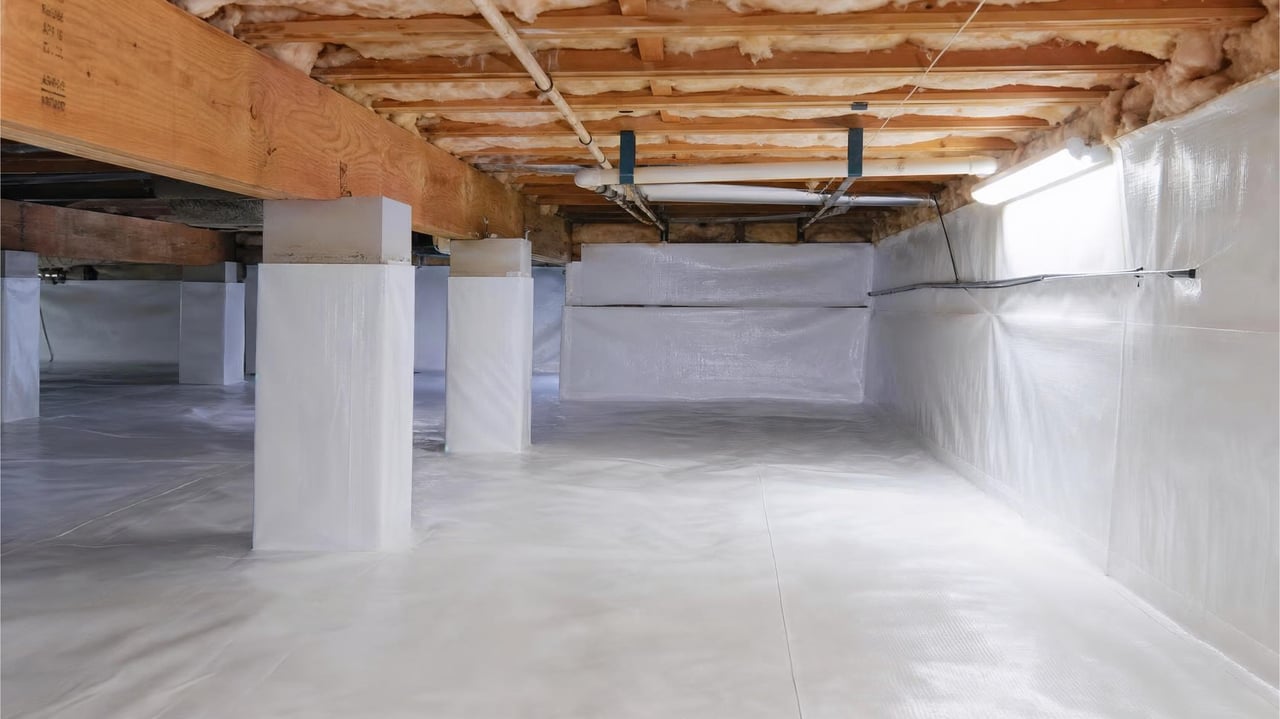
Crawl space encapsulation involves sealing the crawl space from the surrounding soil and outside air. A professional contractor typically installs a durable vapor barrier over the floor and foundation walls, seals seams and openings, and addresses vents and access doors.
Depending on the home’s needs, the system may also include:
- A crawl space dehumidifier
- Foundation wall insulation
- Air sealing
- Drainage improvements
- A sump pump
- Mold or pest remediation
The goal is to create a cleaner, drier, more controlled environment beneath the home.
Important: Encapsulation is more than simply laying plastic over the dirt. The underlying source of moisture must also be addressed.
2. Why Crawl Space Moisture Matters in North Carolina
In Mooresville, Lake Norman, and surrounding communities, moisture can enter a crawl space through:
- Humid outdoor air
- Bare soil
- Foundation walls
- Poor grading or drainage
- Groundwater and flooding
- Plumbing leaks
- Condensation on pipes or ductwork
- Roof runoff and overflowing gutters
Persistent moisture can damage floor joists, beams, subflooring, insulation, ductwork, and other important components of the home.
3. Benefits of Crawl Space Encapsulation
A properly designed and installed system may provide several benefits:
Moisture Control
A sealed vapor barrier helps limit moisture entering through the soil and foundation walls. A dehumidifier may help maintain appropriate humidity levels.
Reduced Risk of Mold and Wood Damage
Controlling moisture can reduce conditions that contribute to mold, wood rot, and certain pest problems. Encapsulation does not eliminate the need for inspections or repairs.
Improved Indoor Comfort
Air from the crawl space can enter the home through floor gaps and other openings. Sealing and conditioning the space may help reduce musty odors and improve comfort.
Potential Energy Savings
Air sealing and insulation improvements may reduce energy loss, although savings vary by home and installation quality.
Protection of the Home’s Structure
A dry crawl space can help protect the framing, flooring system, insulation, and mechanical equipment located beneath the home.
👉 Best for: Homes with persistent humidity, damp soil, musty odors, or recurring moisture concerns.
✨ Why we love it: Proper moisture control can help protect both the home’s structure and the comfort of the people living in it.
4. What Homebuyers Should Check Before Purchasing
If you are buying a home in Mooresville or the Lake Norman area, make sure the crawl space is included in the inspection.
Look for:
- Standing water or damp soil
- Musty odors or visible mold
- Water stains or foundation leaks
- Damaged insulation
- Soft, deteriorated, or sagging wood
- Evidence of termites or other pests
- Rusted ductwork or HVAC components
- Torn or poorly installed vapor barriers
- Excessive humidity or condensation
Ask the seller whether the crawl space has ever flooded, been encapsulated, or required mold, pest, drainage, or structural repairs. Request invoices, warranties, inspection reports, and maintenance records whenever available.
Do not assume that a white vapor barrier means the crawl space is properly encapsulated. Installation quality and moisture control are more important than appearance.
5. What a Complete System May Include
Every home has different requirements, but a professional encapsulation project may involve:
- A durable, sealed vapor barrier
- Sealed foundation walls and support piers
- Properly sealed access doors and openings
- A dehumidifier
- Drainage improvements or a sump pump
- Insulation and air sealing
- Repairs to damaged wood, insulation, or ductwork
Encapsulation alone will not solve active foundation leaks, poor exterior drainage, plumbing leaks, flooding, termite damage, or structural problems. These issues should be corrected as part of the overall plan.
6. How Much Does Encapsulation Cost in North Carolina?
Pricing depends on the crawl space’s size, accessibility, and condition. The cost typically ranges from $10,000-$20,000. Costs may increase when a property requires:
- Mold or pest remediation
- Structural repairs
- Drainage improvements
- A sump pump
- A dehumidifier
- New insulation
- Extensive air sealing
- Electrical work
Homeowners should obtain multiple written estimates and confirm exactly what is included. Ask about warranties, equipment maintenance, permits when required, and whether repairs are included in the quoted price.
7. Questions to Ask a Crawl Space Contractor
Before hiring a contractor, ask:
- What is causing the moisture problem?
- What materials and vapor barrier thickness will be used?
- Will seams, walls, piers, and penetrations be sealed?
- Is a dehumidifier or sump pump necessary?
- How will groundwater or flooding be addressed?
- Are mold, pest, insulation, or structural repairs included?
- What warranties and maintenance requirements apply?
- Will humidity levels be monitored after installation?
A reputable contractor should inspect the entire crawl space and provide a detailed scope of work.
8. Crawl Space Maintenance After Encapsulation
Encapsulation is not a “set it and forget it” improvement. Homeowners should regularly:
- Check for standing water or unusual odors
- Monitor humidity levels
- Maintain the dehumidifier and replace filters
- Test sump pumps and backup systems
- Inspect drainage and discharge lines
- Look for plumbing leaks
- Check for tears or gaps in the vapor barrier
- Keep the crawl space access door properly sealed
Persistent humidity, condensation, mold, musty odors, or a constantly running dehumidifier may indicate that the system needs attention.
9. Does Encapsulation Add Value to a Home?
A properly encapsulated crawl space may make a property more attractive to buyers because it demonstrates attention to moisture control and long-term maintenance. It may also help prevent costly damage.
However, homeowners should not assume the full cost will be recovered in the sale price. The value depends on the quality of the installation, the local market, the home’s previous moisture history, and the documentation available.
If you are preparing to sell, keep all contractor invoices, warranties, inspection reports, photographs, and maintenance records. Addressing crawl space concerns before listing may help reduce surprises during the buyer’s inspection.
Final Thoughts
For homeowners in North Carolina, crawl space encapsulation can be an effective way to manage moisture and help protect a home from mold, wood damage, pests, and long-term structural concerns. However, the right solution depends on the property’s drainage, foundation, ventilation, and overall condition.
Whether you are buying, selling, or maintaining a home, a thorough crawl space inspection and a clear understanding of existing moisture issues are essential.
Ready to Explore Mooresville Living?
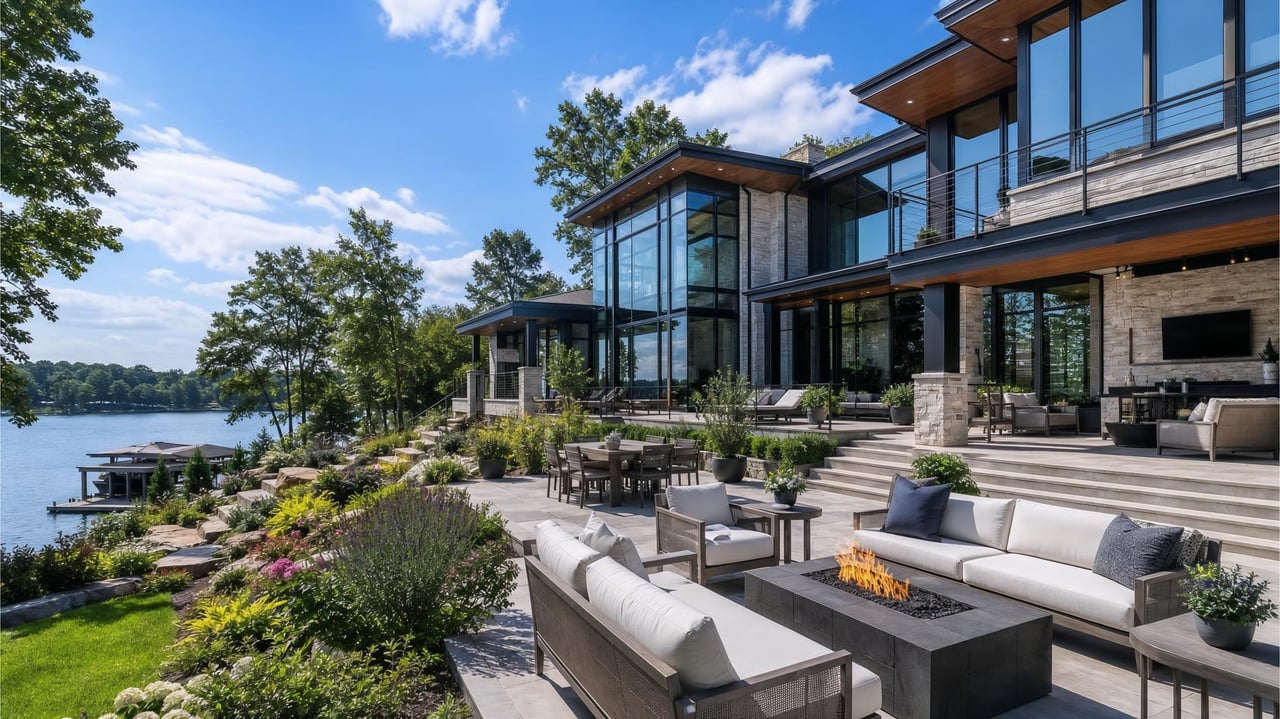
At Carolina Estate Properties, we believe finding the right home is about more than square footage—it’s about discovering a lifestyle that fits your goals and vision for the future. From lakefront properties and golf course communities to expansive lawns and private outdoor spaces, we help buyers understand the features that matter most when choosing a home in Mooresville, Lake Norman, and the greater Charlotte area.
Contact Carolina Estate Properties for thoughtful guidance throughout every stage of your real estate journey.